Category: Education

  • Your Couch Is Dirtier Than You Think—Here’s How to Fix It

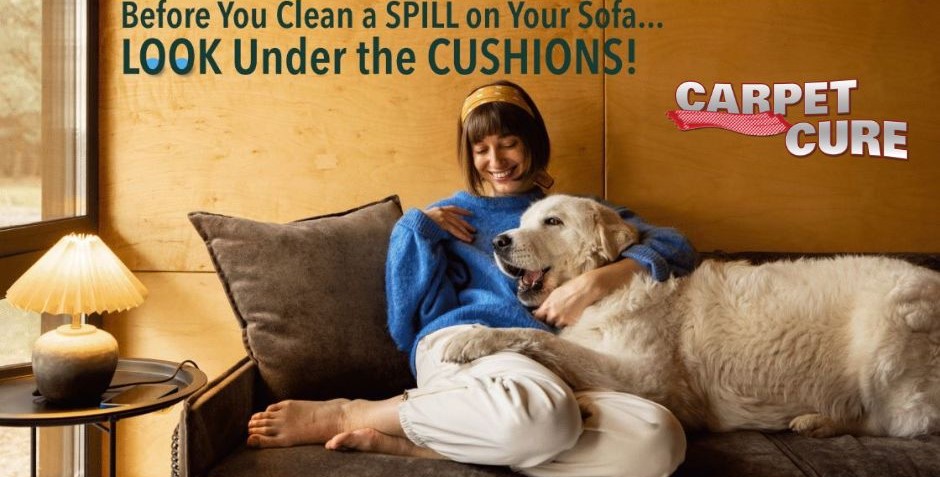
    dog on sofa with owner

    What’s better than a late after noon nap on your favorite sofa? What’s more enjoyable than reading a great book while snuggled in an overstuffed chair? Whether you are spending some quiet time alone or watching the big game with the whole gang, soft, comfortable upholstered furniture is usually the seating of choice.

    Look under the cushions of a typical piece of upholstered furniture and you will usually find one or more tags.You probably don’t give them much thought, but under-standing one of them may save you hundreds or eventhousands of dollars. As with everything else in your home, upholstered furniture requires proper care and cleaning. Pollution, allergens, dander, sweat and body oils stick to fabric andspots and spills do happen. It’s best to clean these fabrics before the soil builds up and spots become permanent stains.

    Fortunately, most upholstered furniture will have a tag containing cleaning recommendations. As part of this tagyou will find a cleaning code. Please note that these tags and codes are a guide to assist you in spot cleaning only. Overall cleaning should be left to the professionals at Carpet Cure. According to theInstitute of Inspection Cleaning andRestoration Certification (IICRC),professional cleaning should be doneevery 12-24 months.

    Many types of fabric are to upholster furniture, but it is rare to find a tag indicating the fiber content of the fabric This can be problematic for consumers who want to know how to properly care for these fabrics. Fabrics are made from a variety of fibers, including cotton, polyester, silk, rayon, nylon, polypropylene, acetate, wool, and blends of these. Each has distinct characteristics, including specific cleaning requirements. There are countless combinations of dye methods colors and patterns. cleaning agent that works well on one fabric may cause severe damage to another. like shrinkage, browning, dye bleeding, color loss, or even fiber deterioration can occur if improper cleaning agents or methods are used, and such damage is often irreversible Cleaning recommendation tags are designed to guide the selection of proper methods to prevent bleeding, color loss shrinkage, and browning. Regardless of the label’s, it is essential to test cleaners in an inconspicuous first.

    Here are the cleaning codes their meaning:-

    W Spot clean only with water-based shampoo foam upholstery cleaner. Avoid over-wetting. Do not use solvents.-:

    S spot clean only with a water-free dry-cleaning solvent Pretest a small, inconspicuous area before proceeding. Do not use water.

    WS or SW: Spot clean with shampoo, foam from mild detergent, or dry-cleaning solvent-

    X: Clean only by vacuuming or light brushing a non-metallic bristle brush. Do not use any water- or solvent-based cleaner.

    When cleaning, blot immediately to remove the material. Apply spotters sparingly to avoid over-wetting. When or stains, from the outer toward the center to prevent spreading. For thorough cleaning of upholstered furniture, contact Carpet Cure. They will determine the safest and most effective cleaning method for your furniture.

  • Love the Air You Breathe: How to Improve Indoor Air Quality

    After a long day, nothing feels better than taking a deep breath in the comfort of your home. But have you ever thought about the quality of the air you’re breathing? Indoor air quality plays a crucial role in your health and well-being, and understanding how to maintain clean air can make a big difference in your home environment.

    What Is Air and Why Does It Matter?

    Air is a mixture of gases that sustain life, including nitrogen, oxygen, and trace amounts of carbon dioxide, helium, and other elements. Along with these gases, air also contains water vapor, which affects humidity levels.

    Proper humidity is key to maintaining good indoor air quality. The American Society of Heating, Refrigeration, and Air-Conditioning Engineers (ASHRAE) recommends keeping indoor humidity between 30% and 50%. Excess humidity can encourage mold and bacteria growth, worsening allergies and asthma. Meanwhile, too little humidity can dry out your skin and respiratory system, leading to discomfort.

    How Air Suspends Particles and Impacts Health

    Air carries tiny particles, some harmless and others that can trigger allergies, asthma, and respiratory issues. To maintain clean indoor air, you need a strategy to manage airborne pollutants. The four key steps to cleaner air are exclude, capture, clean, and control.

    1. Exclude: Keep Contaminants Out

    Keeping unwanted particles out of your home is the first step. However, airborne pollutants like pollen, dust, mold spores, and dirt find their way indoors in many ways—through open windows, on your shoes, or even on your clothes.

    To reduce indoor contamination:

    • Keep windows and doors closed, especially during high pollen seasons.
    • Remove shoes at the door to prevent tracking in dirt.
    • Change clothes after outdoor activities like yard work.

    Indoor sources of pollution—such as pet dander, cooking gases, cleaning chemicals, and sprays—also contribute to poor air quality. This is why exclusion alone isn’t enough.

    2. Capture: Filter and Contain Particles

    Even with preventive measures, airborne particles will still enter your home. Some settle on surfaces, while others remain suspended in the air. Using proper filtration can help remove them.

    To improve air filtration:

    • Use high-quality pleated filters in your HVAC system to trap fine particles.
    • Consider air purifiers with HEPA filters for additional filtration.
    • Ensure proper ventilation to keep air circulating and reduce stale air buildup.

    3. Clean: Remove Pollutants from Surfaces

    Over time, particles settle on floors, furniture, countertops, and other surfaces. Regular cleaning is essential to maintain good air quality.

    Best cleaning practices include:

    • Vacuuming with a high-quality filter to prevent dust from recirculating.
    • Using electrostatic dusters or damp cloths to trap and remove particles.
    • Wet mopping floors to capture fine dust and allergens.
    • Scheduling professional cleaning for carpets, area rugs, and upholstery, as these surfaces trap pollutants over time.

    4. Control: Maintain Equipment and Humidity Levels

    Proper maintenance of your home’s ventilation and filtration systems ensures clean air year-round.

    Key maintenance tips:

    • Regularly replace HVAC and vacuum filters.
    • Check that range hoods, exhaust fans, and air purifiers are functioning properly.
    • Monitor indoor humidity levels, using dehumidifiers or humidifiers if necessary.

    The Role of Carpeting in Air Filtration

    Carpet acts as the largest air filter in most homes, capturing dust, allergens, and pollutants within its fibers. However, without regular deep cleaning, it can become a source of indoor air pollution rather than a solution.

    Keeping carpets and upholstery clean is one of the best ways to maintain a healthy indoor environment. Professional carpet cleaning removes embedded dirt and allergens, helping you breathe easier at home.

    Final Thoughts

    Your home should be a place of comfort and health, and that starts with the air you breathe. By following these four steps—exclude, capture, clean, and control—you can significantly improve your indoor air quality.

    If your carpets and upholstery need professional cleaning, Carpet Cure is here to help. Contact us today to schedule your next service and enjoy fresher, healthier air in your home! Below is a link to this month’s newsletter for your enjoyment.

    feb2025-carpet-cure-newsletter
  • How to Protect Your Rugs from Water Damage: Rug Care Tips

    rug care tips

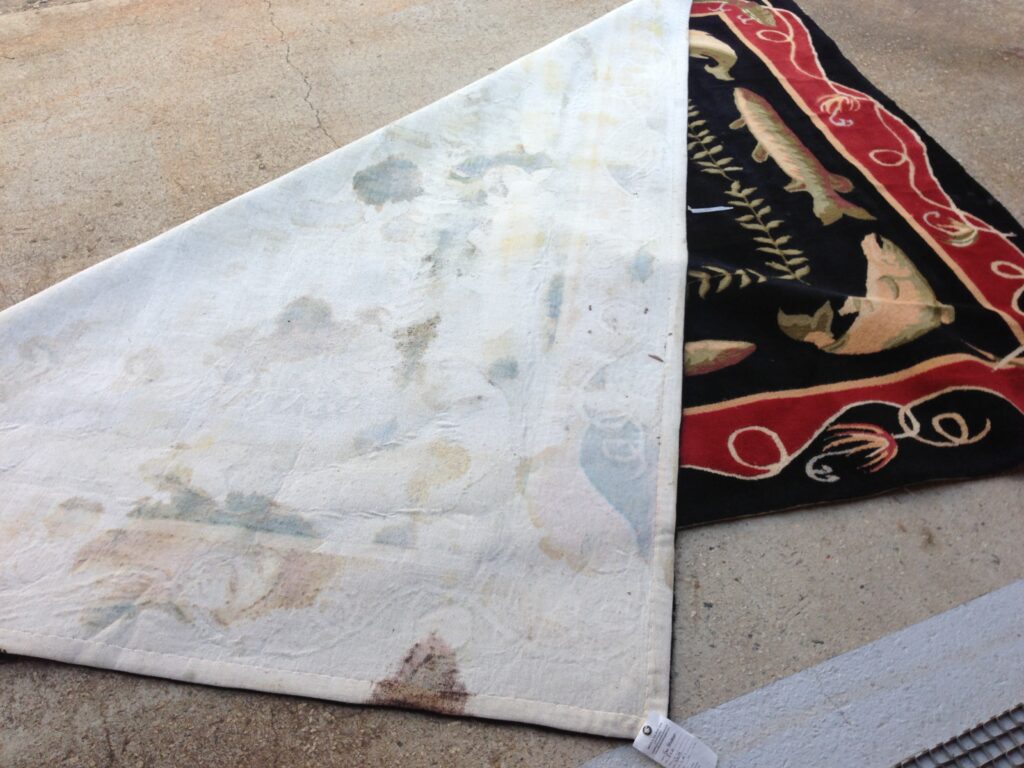
    When a storm strikes or water damage hits, rugs can often take a beating. It’s essential to act quickly to prevent further damage and keep your rugs in great shape. Here’s a guide with rug care tips on what to do immediately if your rugs get wet, along with what to avoid.

    Immediate Steps to Take

    1. Lay Rugs Flat: To maintain their shape and prevent dye transfer, place your wet rugs flat on the ground.
    2. Blot Excess Moisture: Use a clean, white cloth to gently blot any wet areas, helping to absorb excess water.
    3. Enhance Airflow: Ensure good ventilation by opening windows and using fans and dehumidifiers to speed up the drying process.

    What to Avoid

    1. Don’t Roll Up: Rolling up a wet rug can cause dye transfer and damage to the fibers.
    2. Avoid Hanging: Hanging a wet rug may result in stretching and misshaping.
    3. No Excessive Heat: Avoid using excessive heat to dry the rug, as this can cause shrinkage and damage.

    Preventing Dye Transfer

    If you need to move the rug, place a white cloth on top and then roll it. This helps prevent dye from seeping and staining other areas.

    Professional Help

    For thorough cleaning, proper care and overall rug care tips, it’s best to call a professional rug cleaning service. We have the expertise and equipment to handle water-damaged rugs effectively.

    By following these guidelines and knowing what to avoid, you can protect your rugs and keep them looking their best, even after water damage.

  • How to keep the dirt OUTSIDE!

    All through the year we track various soils into our homes. Not only that, pollutants from car exhaust, pollens, pet and human dander, and just plain old dirt can damage surfaces in your home including carpet, tile, wood, upholstery and fabrics. Soil control is an important part of keeping your home clean and healthy

    You can control soil by limiting the entrance and buildup of contaminants inside your home. The best way to control soil inside your home is to prevent its entry. They say that an ounce of prevention is worth a pound of cure; it takes 12 times more effort, time
    and money to remove soil as it does to prevent it from ever entering inside a structure. Remember that whatever is outside tends to come in, so consider the following: Keep walkways, steps and porches clean and free of dirt, mold, moss and algae.
    All through the year we track various soils into our homes. Not only that, pollutants from car exhaust, pollens, pet and human dander, and just plain old dirt can damage surfaces in your home including carpet, tile, wood, upholstery and fabrics. Soil control is an important part of keeping your home clean and healthy.

    Maintain garage floors in order to prevent oil, road grime and other contaminants from being tracked indoors. Place doormats both outside and inside all of the entrances to your home. Outdoor mats should be a water resistant, synthetic, non-absorbent fiber such as olefin or polypropylene and be textured to scrape heavy soils off your shoes. Avoid natural fibers which tend to mold and rot creating a new soil source for your home.

    Inside doormats should be absorbent like nylon, cotton or wool. Vacuum and wash it periodically to remove built-up soils. Remove shoes when you come indoors, but don’t make the mistake of going barefoot all the time. The skin of our feet contains oils that attach to carpet and attract soil. Instead of going barefoot, wear clean house shoes, socks or slippers indoors. Normal daily activities generate a variety of dust and residues that settle on just about every surface inside your home.

    Vacuuming is the most effective way to maintain your carpets. 7479% of soil in carpet is dry, particulate soil that can be removed by vacuuming. You should also vacuum your upholstered furniture, drapery and blinds for the same reasons. When you dust your furniture, do so gently, preferably with a duster attachment on your vacuum cleaner. If you use a duster, go slow and allow dust to settle for an hour or so and vacuum the floor last. Your carpet can last a long time if properly cared for.

    Annual professional carpet cleaning is recommended in most homes. Busy homes with children and pets require cleaning twice a year or more. Don’t wait until your carpets, rugs and upholstery look dirty to have them cleaned by a professional; by the time fibers have reached a visibly soiled state they are already damaged.
    Call Carpet Cure to learn more or schedule your next cleaning.

  • Carpet Stains that Can Be Removed


    Often times when professional carpet cleaners are called upon to take care of stains or spots in carpets the first question will inevitably be “can you get it out”? If the first response out of the tech’s mouth is a resounding “yes”, then you might want to look into hiring someone else. The truth of the matter is not all stains are removable. We always have a “let’s take a look at it and if it can be removed” mindset. If it can be removed, we have what it takes to get it out”.

    Sugar and oil-based stains.

    Most dark colored, brown or black, spots are sugar or oil based. These can be removed 90% of the time. Stains in this category include colas, tea, coffee, and non-red juices. With cola stains, a traffic lane cleaner is usually the way to go and will take care of the problem almost always. Tea and coffee are sometimes a little more difficult and may require an acid rinse in conjunction with the traffic lane cleaner. Juices like apple or orange are relatively easy to get out. The problems occur when you get into the red juices such as grape or cranberry, especially on light carpets. Red juices fall into the red dye category and sometimes the only way to get those out is a heat transfer dye process. This process is usually reserved as a last resort and even then there are no guarantees.

    Body fluids.

    So what about stains such as blood, vomit, and urine? Well these, like all stains, need to be addressed quickly. The sooner you get them removed the better. The trick with blood is to not clean it with hot water or alkaline cleaning products. You might think you’re helping the carpet tech out by trying to remove some of the stains yourself but these treatments will actually set the blood into the carpet. Your best bet is to leave it to the professional. Vomit and urine are similar in that they are removed through a process. And it is very important to get urine up as soon as possible. The longer it stays the more it will continue to deteriorate the carpet. These types of spots are usually removed by utilizing a pre-treatment that breaks down the stain. Then the spot is thoroughly extracted. These steps will be repeated as necessary and afterwards, an enzyme is sprayed that will continue to break the spot down.

    Mystery stains.

    Sometimes you can get stains through no fault of your own. These would include stains from yellowing, water rings, and filtration soiling. Yellowing is one of those stains that can either be easily neutralized or impossible to remove. It is very common and can be treated with citric acid or an acid rinse. Water rings are also sometimes hit or miss. They are treated with traffic lane cleaner or an acid rinse. Filtration soiling is usually found in hallways near air conditioning units or where the carpet meets the baseboards. These are black lines that are caused by the carpet “filtering” soil. Getting rid of these stains requires using a special spotter and manually scrubbing the area with a towel. Due to the extra labor involved, this process may cost a bit more than you would like.

    Remove it FAST!

    The bottom line is that there are no guarantees with spot removal. What seems like an easy to remove stain could prove terribly difficult, and vice versa. But SPEED is your friend. Remove spots and stains FAST and you’ll have better luck in removal.

  • How Can Spots on Carpet Keep Coming Back?


    “They’re Baaack!”

    Have you ever wondered why spots return after having your carpet cleaned?  There are two main reasons that spots return?

    Reason # 1: Wicking. Many times, the spot that is being removed has seeped into the backing of the carpet. This is common with pet urine, beverages, and anything that is spilled in “volume” which then dries in the backing and the cushion (pad) of the carpet. When the spot is cleaned, only the material in the “pile” of the carpet is removed. However, if the base of carpet fiber (tufts) are exposed to moisture during the cleaning process, then as the spot dries, the material that is in the backing of the carpet “wicks” back into the pile of the carpet much like a candle wick.
    Even traffic area soil that is embedded can wick back. This is especially common in glue down carpet that is heavily impacted with soil. When the carpet is cleaned, it looks good. When it dries, the spots and traffic area soiling reappear.


    The good news is that if a spot actually wicks back, it can be removed. When spot cleaning yourself, place a folded white terry cloth towel over the spot just after you clean it while the spot is still moist. Place a heavy object on top of the cloth. Be sure to use something non porous that won’t transfer color onto the carpet (like a paper book cover, brick, or something like that).
    When you have your carpet cleaned professionally, be sure to point out spots that have wicked back in the past, so they can be treated properly.

    Reason # 2: Re-soiling. Re-soiling is caused by a sticky residue that has been left behind. The residue may be from the spot itself, the cleaner that was used, or both and attracts soil and dust from the air circulating in the home or office and foot traffic. Some common residue causes are over-the-counter carpet cleaners purchased at the grocery store. Avoid using these cleaners all together. If you have to use one of these cleaners, or you have to use dish washing detergent, use as little as possible and rinse with water thoroughly.
    Other residue causes would be oily spots. Duct tape residue, body oils, lotions, etc. If all the oily residue is not removed, it will attract soil as the carpet is walked on. Even quality professional cleaning may not remove all oily residue the first time.

    SPECIAL NOTE: Cheap carpet cleaners use cheap products that are loaded with optical brighteners. Optical brighteners create an illusion of clean that causes the soil or spot to appear to be removed. The spot is still there. The soil is still there. Optical brighteners create a film that reflects light so that the carpet looks incredibly clean. It’s an optical illusion.
    A stark illustration of this can be seen at a flea market or home show. Someone will be demonstrating a miracle cleaner on a small rug. The rug is saturated with motor oil. The salesman then scoops off just the foam of the miracle cleaner and presto, the motor oil is gone! This is physically impossible. Notice that the salesman has several bright lights shining on the demo rug to create the illusion.

  • 5 Expensive Reasons to Avoid the Cheapest Carpet Cleaners

    The old saying goes “good things aren’t cheap and cheap things aren’t good.”  Well, there is alot of truth in that old saying.  People have learned this over the years.  What happens when you buy the cheapest car you can find?  It may look good on the outside but it lacks reliability and ultimately has a high cost in repair bills! 

    Often times the cheapest or “lowest priced” service company will end up having the “highest costs” to you over the long run.  Let me illustrate.  Here are 5 expensive(high costs) reasons the cheapest(low priced) carpet cleaners should be avoided.

    1.  Low priced carpet cleaners cut out anything that is not required.  Did you know that the carpet cleaning industry isn’t regulated?  You don’t have to have any certifications or insurance to become a “professional” carpet cleaner.  Because of this, our industry gets filled with uneducated and sometimes downright unscrupulous cleaners.  The lowest price cleaner is not going to have the money to acquire or keep up their education in this field.  They’ll also avoid paying for things like liability insurance or worker comp insurance.  This leaves you as the consumer vulnerable and liable if anything goes wrong. 
    2. Cheap cleaners often can’t afford to maintain their equipment.  Do you want a service company that can’t fix things that go wrong with their equipment?  Mechanical things do break down if not maintained so what happens when the equipment isn’t working properly?  Your carpet can be ruined in a worst case scenario but at the very least your risks are having a carpet that can’t be properly rinsed and extracted resulting in over-wet carpet often filled with a soil attracting residue.
    3. Cheap cleaners can’t afford good quality help.  Being the lowest priced company means you definitely can’t pay good wages.  This results in high turnover when better opportunities come their way.  Background checks are expensive and therefore often left out.  How important is it that you know who you are inviting into your home?
    4. Low priced cleaners buy the lowest priced tools and cleaning products.  Our industry is filled with very good high quality expensive cleaning products but it is equally filled with products that aren’t worth the jug they are stored in.  Do you want the best cleaning products or the cheapest being used on your expensive flooring?  Often times, a cheap cleaner may over dilute their cleaning products to make them last longer.  We see this alot with carpet protectors.  Many customers feel that carpet protectors like Scotchgard don’t work because they had a poor experience with it in the past.  I’ll tell you they DO work if they are diluted properly and applied from a dedicated application container.
    5. The lowest priced service companies typically go out of business within the first few years.  Most small business don’t succeed.  In fact I think the number is around 80% that fail within the first 5 years.  Running a small business is already hard enough.  If you are the lowest priced company then you simply can’t keep up with your expenses to operate the business.  Many close down and go do something else.

    There is one notable exception to where a low priced carpet cleaning company will succeed for a while longer than expected.  That is when they employ bait and switch tactics.  This is where a low price is used to get you to hire them and then once they are inside your home they find creative ways to increase the bill and even tack on hidden charges to get the price up to where they needed to be in the first place.  This is dishonest and a black eye in our industry.  You can avoid these bait and switch cleaners by asking the right questions during your initial interview with the service provider.  We have posted a video about this on the home page of this website..http://www.carpetcleanersmacon.com

    For help in hiring a professional service company follow these guidelines…..http://mycarpetcure.com/how-to-select-a-carpet-cleaning-company/